
Venous Insufficiency
Treatment
Overview
What is Venous Insufficiency?
In normal veins, blood pushes up to the heart by muscular contractions. Tiny flaps called “valves” inside the vein open one way for blood to travel upwards. They prevent reverse travel of blood flowing back down towards the feet. Venous Insufficiency is a medical condition in which these valves turn “floppy” and fail to facilitate natural blood flow. As a result, the blood flows backwards — a condition called venous reflux — and pools in the extremities.
Venous reflux increases valvular pressure and stretches the veins, which leads to spider veins and varicose veins. Some of the accumulated blood may also stop circulating, leading to a condition called Venous Stasis or the formation of painful blood clots within the veins. If these clots break loose, they travel to the deeper veins and eventually travel to the lungs. This may lead to a potentially fatal medical condition called Pulmonary Embolism.
What are the Symptoms of Venous Insufficiency?
Venous insufficiency is an extremely under-diagnosed disease because its symptoms — heaviness, itching, pain, etc. — are dismissed as regular effects of aging. But as previously mentioned, venous insufficiency can progress quickly and turn lethal if left untreated. So it is imperative for you to be mindful of its signs and symptoms and get tested if you notice any of them.
The symptoms of venous insufficiency are associated with accumulated blood in the veins. You may experience heaviness and fullness of the calf. You may also feel a tingling sensation or leg restlessness at night. In some cases, you may even notice a slight discoloration of skin on your legs from restricted blood flow. These symptoms generally worsen at the end of the day, especially after sitting or standing still for prolonged periods.
If your venous insufficiency progresses far enough, you may also notice extremely painful sores or ulcers caused by decreased circulation in your lower leg. The clearest sign of venous insufficiency is the development of varicose veins, i.e., large bulging rope-like knots of veins on the surface of the skin. This is a sign of considerably advanced venous insufficiency that requires immediate treatment by a vein doctor.
Stages of Chronic Venous Insufficiency (CVI)
Stages of CVI are based on the type and severity of symptoms experienced. There are three stages of chronic venous insufficiency.
Stage 1: You experience swelling and skin discoloration.
Stage 2: Your skin turns red and sore. Eventually, you feel intense itching, inflammation, irritation, and infections.
Stage 3: Finally, you develop leg ulcers and large bulging varicose veins.
By the time you see the bulging and contorted veins under the skin, the vein disease is already in its final and most severe stage. At this point, it is important to seek immediate treatment to prevent pulmonary embolism.
Risk Factors for Chronic Venous Insufficiency (CVI)
Chronic venous insufficiency has multiple risk factors. Some of these are lifestyle risks such as standing for long periods of time. When you sit or stand for long periods of time, the blood in your legs has a harder time being pushed up against gravity. This allows more pressure to build up on the valves, increasing the possibility of venous insufficiency. However, sitting or standing can only be a risk factor if you are already predisposed towards venous insufficiency. The most crucial risk factors for vein disease are genetics and biological sex.
Genetics: If your family members have venous insufficiency, there is a 90 percent chance that you also have it. The specifics are complex, but it relates to your body’s valvular composition.
Sex: Females have higher levels of estrogen and progesterone which allows for more stretching. The female body needs to have this extra stretch, but it also makes the valves relatively weak, which increases the likelihood of venous insufficiency.
Other risk factors for vein disease include obesity, smoking, pregnancy, and age
Treatment for Venous Insufficiency
If you have venous insufficiency, go for immediate treatment before it progresses and turns into a life-threatening condition. Most venous insufficiency treatments are simple in-office procedures performed within 30 minutes. Your initial visit allows your vein doctor to examine your condition, get a complete medical history, and run a Doppler ultrasound test to visualize your venous insufficiency. Following the test, the vein doctor will offer his or her recommendation on the ideal treatment options for your specific case.
The most commonly recommended treatment procedures for vein disease are Radiofrequency Ablation, and Varithena. All of these treatments are minimally-invasive, non-surgical, and carry a negligible risk. Furthermore, they can be performed on an outpatient basis so that you can resume your daily activities immediately after the procedure. When treating venous insufficiency, it is imperative to visit a reputable vein treatment clinic to eliminate the chances of side-effects.
How Do Texas Vein Clinics Treat Spider Veins?
Treatment is optional for some patients, but many choose it for healthier looking skin. Others require medical intervention to address the underlying issue. Our Texas vein specialists are experts at everything from superficial sclerotherapy treatments to comprehensive vein disease care.
What Is the Best Treatment for CVI?
Each patient’s vein system is unique, complete with different venous connections and different weak spots within their veins. What’s right for you might not be right for your friend, or even your relative. Always seek a thorough exam by a board certified vein doctor for safe treatment at a Texas vein clinic.
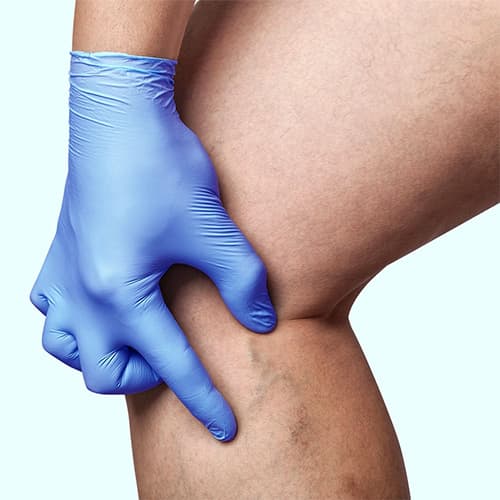
Foam or Liquid Sclerotherapy:
One of the top treatments for spider veins, sclerotherapy is an in-office procedure that’s remarkably gentle, safe, and successful. Our vein doctors inject either a foamed or liquid irritant into the spider vein to destroy it, after numbing your skin. This fast, painless procedure has you back on your feet immediately.
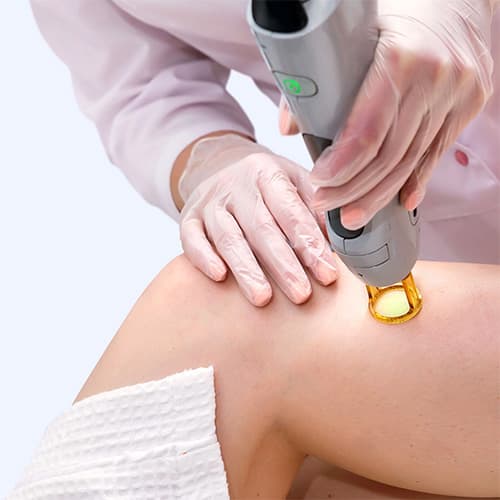
Endоvеnоuѕ Lаѕеr Ablation:
This treatment directs lasers at the vein’s walls to combat venous insufficiency. It’s a safer choice than surgery for most patients and is outpatient, requiring only local anesthetics. However, it might cause bruising and discomfort, which is why our Texas vein clinics typically opt for the radiofrequency method of ablation described below.
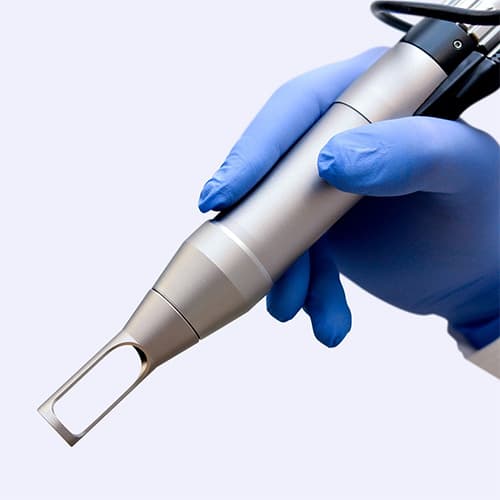
Radiofrequency Thermal Ablation:
Ablative procedures use heat to intentionally damage the vein, forcing it to scar closed so blood is routed in the right direction. In RF ablation, the thermal energy is derived from radiofrequency, a more comfortable source than lasers for treating spider veins and vein disease.
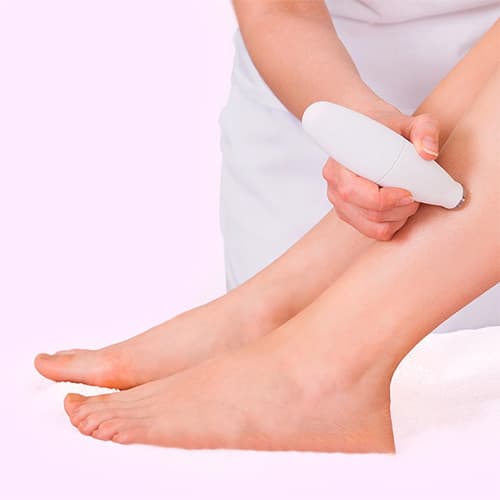
Surface Laser
Treatments:
Skin laser therapy differs from endovenous laser ablation in that it’s primarily for the cosmetic treatment of veins at the skin’s surface. It won’t improve venous insufficiency like endovenous lasers or RF ablation will. It’s best for the tiniest veins and is sometimes paired with sclerotherapy for better results, if your skin is amenable to it (those with sensitive skin or skin conditions might not be eligible).
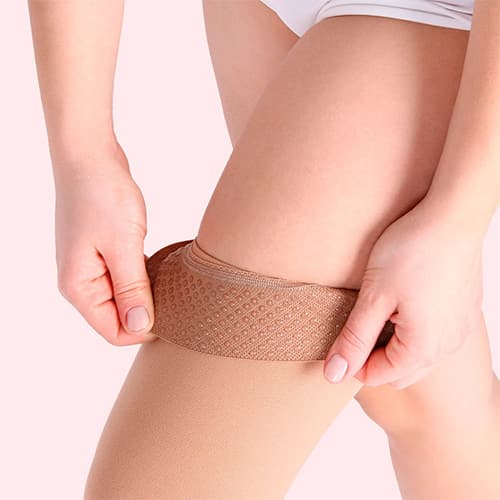
Medical Compression Stockings:
While they won’t eliminate spider veins, support stockings help some patients manage the symptoms of spider veins. The consistent pressure they apply helps your leg veins pump blood to your heart to reduce pooling and swelling. They aren’t right for everyone, and won’t work without proper sizing, so visit our Texas vein specialists for a professional fitting.
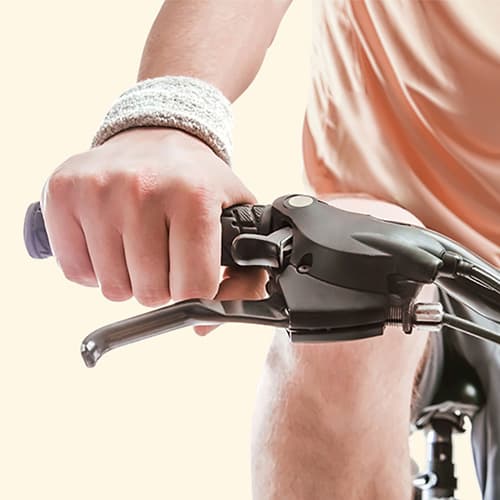
Frequent Exercise:
Daily movement is essential to healthy circulation. Each time your leg muscles contract, your veins get a boost that helps them pump blood to the heart. Both sitting and standing for long periods are taxing on your veins, since they don’t assist this task. Take the stairs at the office between meetings or walk around your building while consulting with colleagues. When you’re stuck at your desk, incorporate movements like seated calf raises, ankle rotations, and lifting your heels off the floor until your knees touch the underside of your desk. Exercising can’t erase current spider veins, but it can help prevent them and minimize the troubling symptoms.