Asking where to find radiofrequency ablation in Addison? Here is what the procedure involves
06 April 2026
For North Dallas residents seeking radiofrequency ablation (RFA) for varicose veins, the Addison vein clinic at 17980 Dallas Parkway now offers this minimally invasive treatment. RFA has become one of the most common approaches for treating chronic venous insufficiency, the underlying cause of most varicose veins.
If you have been dealing with bulging varicose veins, leg heaviness, or swelling that worsens throughout the day, RFA may be worth considering. Here is what the procedure involves and what to expect.
What is radiofrequency ablation?
Radiofrequency ablation is a minimally invasive procedure that uses controlled thermal energy to close malfunctioning veins from the inside. Unlike traditional vein stripping surgery, RFA requires no hospital stay, no general anesthesia, and no lengthy incisions.
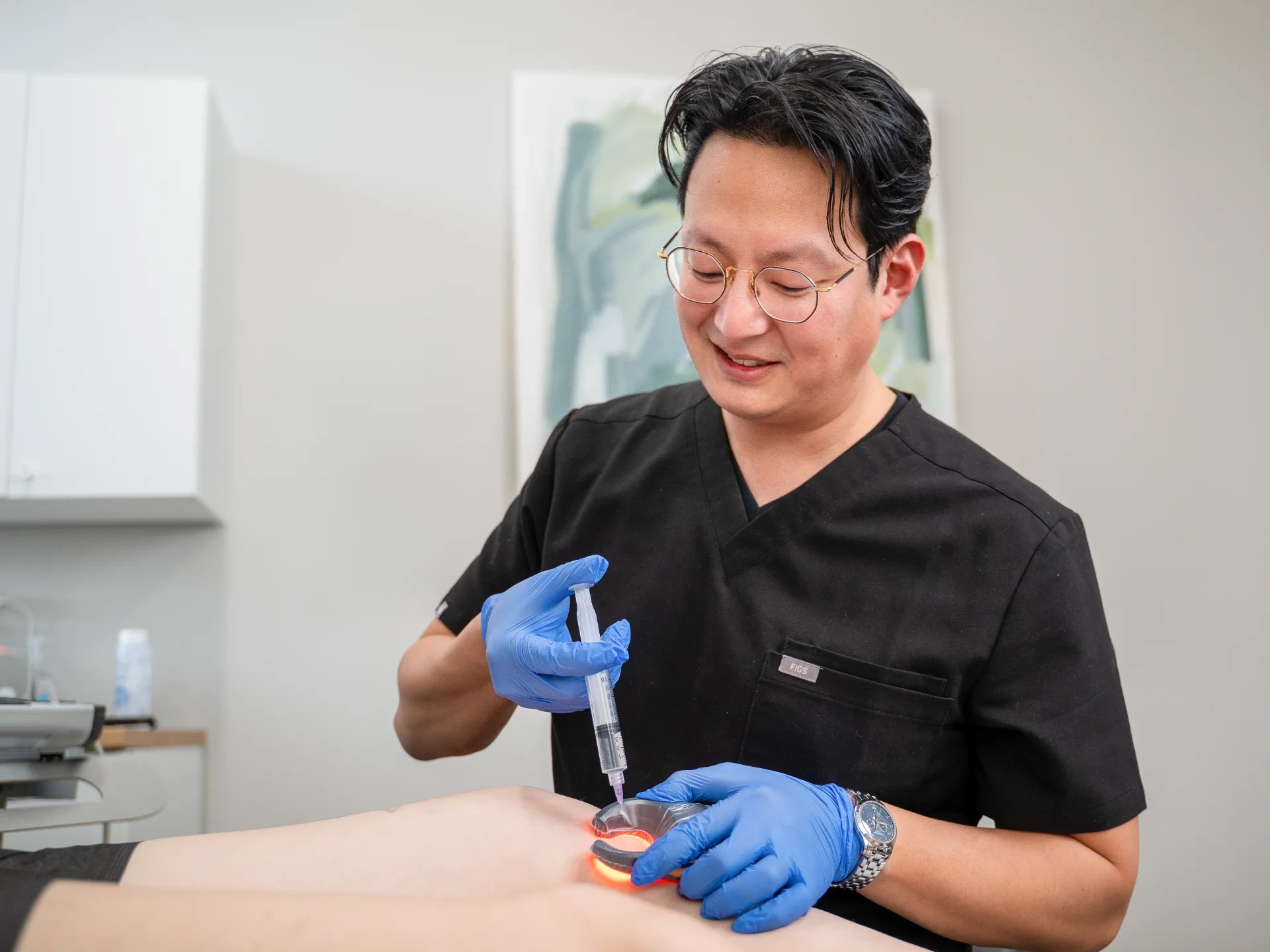
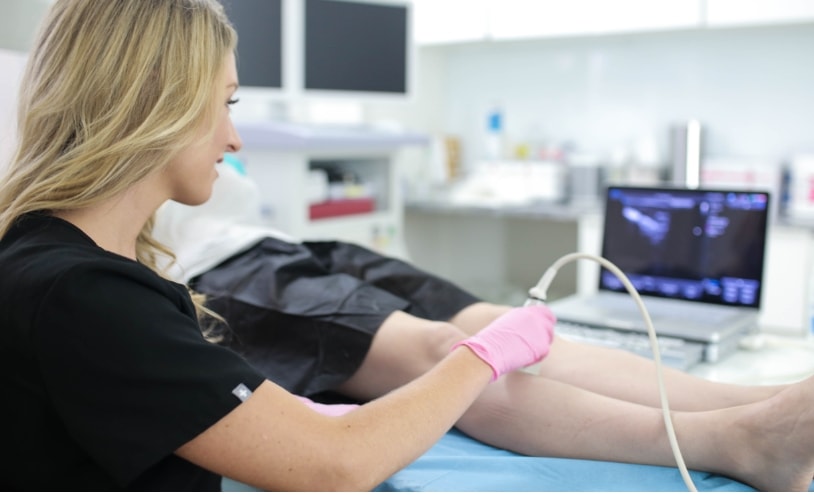
During the procedure, a thin catheter is inserted through a tiny incision and guided by ultrasound to the affected vein. The catheter delivers radiofrequency energy that heats the vein wall, causing it to collapse and seal. Blood naturally reroutes to healthy veins. The treated vein is gradually absorbed by the body over the following weeks.
RFA technology has been refined over years of clinical use. It is not experimental or unproven.
Success rates and durability
Clinical studies show impressive results for RFA:
- Short-term high closure rates
- Comparable or superior outcomes to traditional surgery
- Significantly faster recovery than surgical stripping
Who is a candidate for RFA?
RFA is typically recommended when duplex ultrasound reveals underlying venous insufficiency, specifically reflux in the greater saphenous vein or other larger veins in the leg. Common symptoms that lead patients to RFA include:
- Leg heaviness that worsens after standing or sitting
- Swelling in the ankles or calves
- Bulging varicose veins visible beneath the skin
- Nighttime leg cramps
- Aching or throbbing in the legs
- Skin changes near the ankles
Not everyone with these symptoms needs RFA. The ultrasound results and the vein doctor guide the recommendation.
What to expect during the procedure?
RFA at the Addison vein clinic follows a predictable process:
- You arrive at the clinic and change into comfortable clothing
- The treatment area is cleaned and prepared
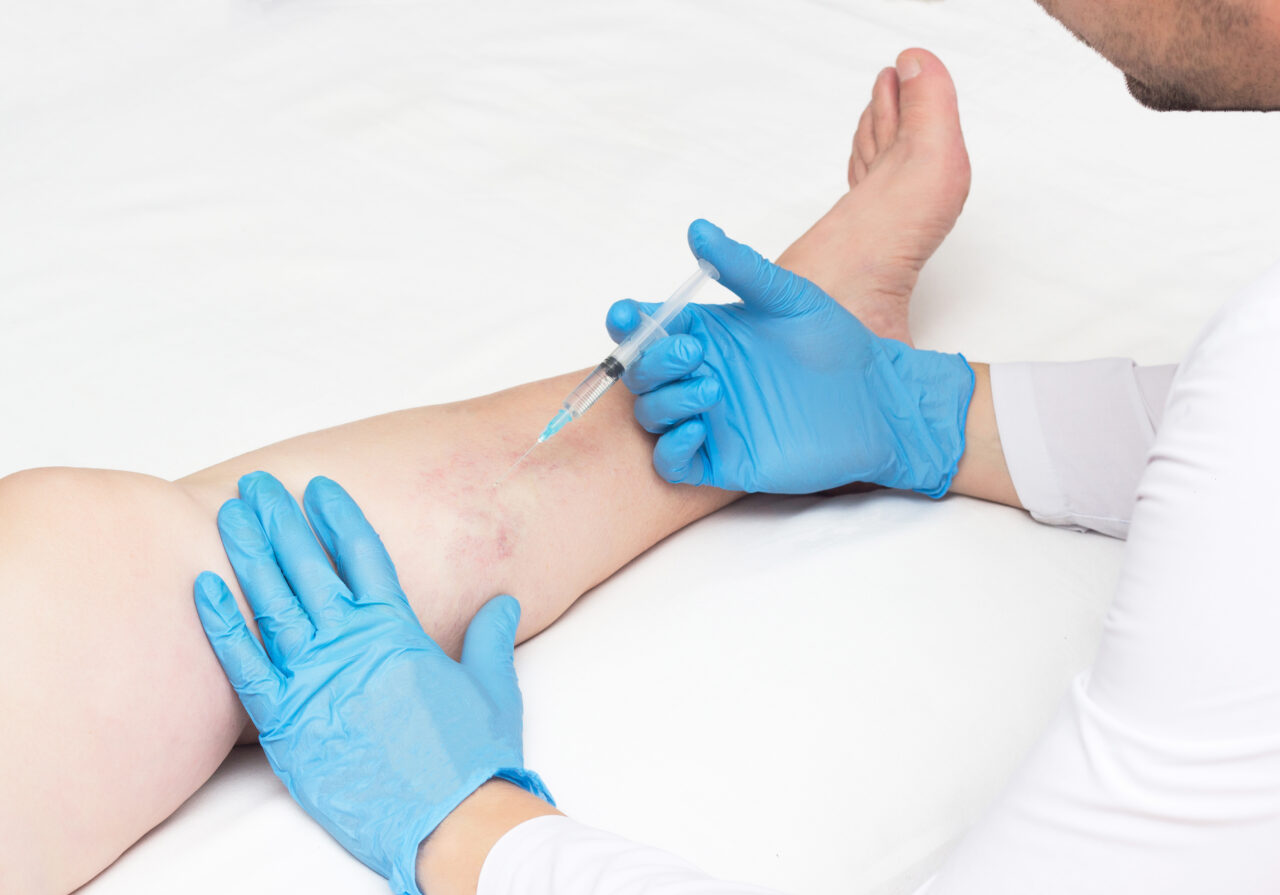
- Local anesthetic is injected along the path of the vein
- A thin catheter is inserted through a tiny incision guided by ultrasound
- Radiofrequency energy is delivered to seal the vein
- The procedure takes about 30 minutes
Most patients are able to return to their normal activities the same day. However, the vein doctor will explain everything during your visit and provide clear instructions tailored to your specific case, ensuring you feel comfortable and well‑informed throughout the process.
Recovery after RFA:
Recovery is remarkably quick compared to traditional surgery:
- Walking is encouraged immediately to promote circulation
- Compression stockings are worn for one to two weeks
- Most patients return to desk work the same day or the next day
- Strenuous exercise is avoided for about one week
For some patients, it’s completely normal to notice some bruising after the procedure. The colors may change over the next couple; is a typical part of recovery, and the appearance gradually improves over two to four weeks.
BOOK AN APPOINTMENT
Vein Treatments are covered by most major medical insurances, including Medicare. Verify your coverage for FREE today!
Long-term expectations:
Treated veins do not return. Once sealed, they are permanently closed and gradually absorbed by the body. However, new veins may develop over time.
Here’s why new veins might appear over time:
- Genetic tendency
Some individuals may have a natural predisposition for vein valves to weaken gradually. Treating one vein does not change this underlying tendency, so other veins could potentially be affected in the future. - Aging of the venous system
As the body ages, the valves within the veins might become less efficient. This could lead to increased pressure in certain areas, which may contribute to the development of new vein issues over time. - Lifestyle and daily habits
Factors such as long periods of standing or sitting, weight changes, or lower levels of physical activity may increase pressure in the veins. These conditions might make it more likely for new veins to become noticeable. - Hormonal changes
Pregnancy, menopause, and hormonal treatments could influence vein walls and valves. These shifts may make some people more prone to developing new vein concerns.
Who is the vein doctor performing radiofrequency ablation (RFA) in Addison?
Dr. Benjamin Kum leads the Addison clinic. Board-certified in Family Medicine and Addiction Medicine, Dr. Kum brings 13 years of clinical experience to vein care. He completed his medical education at NYIT College of Osteopathic Medicine and has held academic positions at the University of Texas Southwestern.
Dr. Kum performs RFA personally at the Addison location. His approach emphasizes thorough evaluation and honest discussion of what the procedure can accomplish.
Insurance coverage for RFA
RFA for venous insufficiency is typically covered by insurance when medical necessity is documented. This usually requires ultrasound evidence of reflux plus documented symptoms. The clinic verifies coverage before scheduling any procedures.
Where to get radiofrequency ablation (RFA) near Addison?Location and scheduling
17980 Dallas Parkway, Suite 300, Dallas, TX 75287
Near Bent Tree Country Club and Addison Circle Park. Easy access from Dallas North Tollway.
Hours: Monday through Friday, 9:00 AM to 7:00 PM
Phone: 972-619-3735
No referral is needed. Schedule directly by phone or online. The clinic serves patients from Addison, Farmers Branch, Carrollton, Richardson, Plano, and throughout the DFW Metroplex.
FAQs about RFA in Addison
How long does RFA take?
The procedure itself takes about 30 minutes. Plan for about an hour total, including preparation and post-procedure instructions.
Is RFA painful?
The numbing injections sting briefly. The procedure itself is typically described as mild pressure or warmth. Most patients rate overall discomfort around 2 to 3 out of 10.
Can both legs be treated at once?
In many cases, yes. This depends on the extent of disease and your overall health. Your vein doctor will advise what makes sense for your situation.
Is RFA safe?
RFA has been used for years with a strong safety record. Serious complications are rare. The procedure has extensive clinical data supporting its safety and effectiveness.
Meet Our Houston
Vein Doctor

Calvin Jung MD
Spider Vein and Varicose Vein Doctor
Dr. Jung focuses on spider and varicose vein removal by implementing minimally-invasive vein treatments such as sclerotharpy, radiofrequency ablation, clarivein & VenaSeal.
WHAT TO EXPECT IN OUR
Texas Vein Center
contact us today

Call us
Speak instantly with one of our team members; they will answer any questions you may have regarding insurance coverage, booking an appointment and our vein treatment locations. (512) 975-2494

Book online
Visit our Book Appointment page and instantly request an appointment at a Texas vein center near you. We offer Free Insurance Verification before your appointment.

Get directions
Learn how to easily get to the Texas vein center nearest to you.